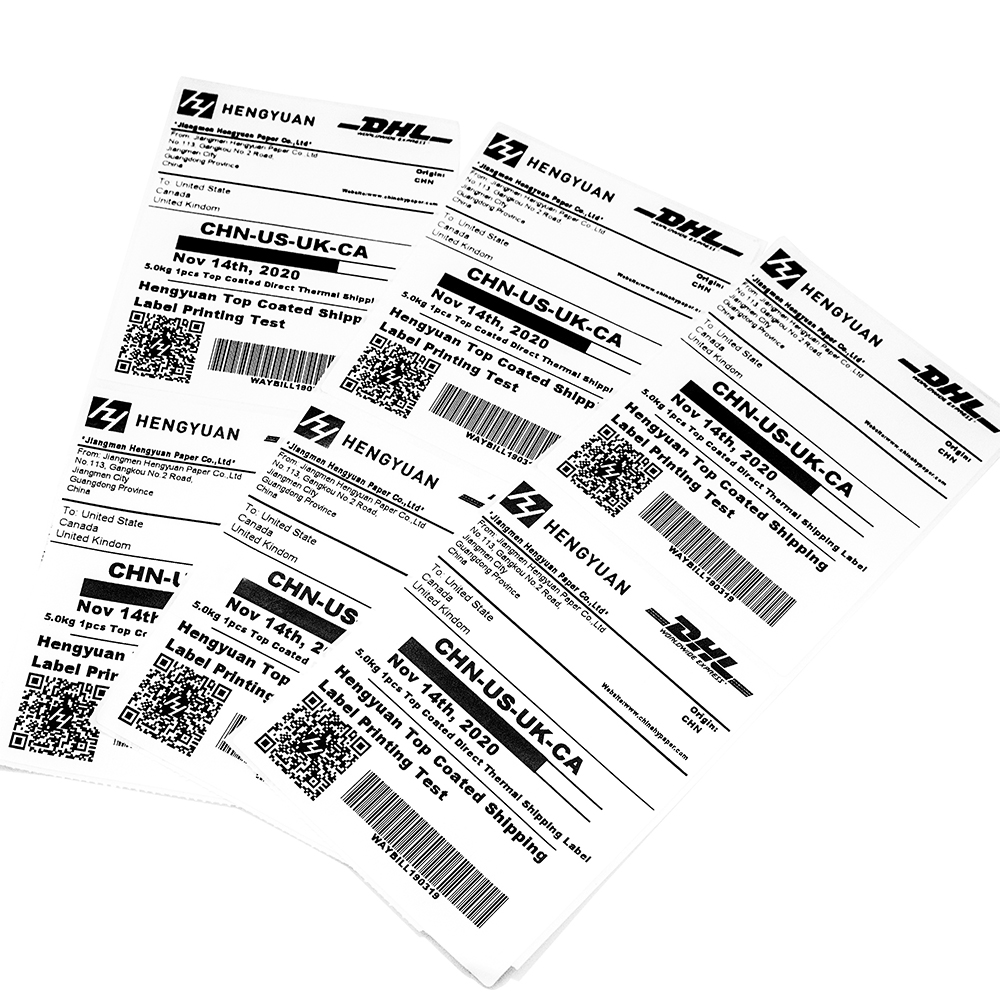
A shipping label is an essential part of logistics and e-commerce, ensuring that packages are correctly identified and delivered. It contains critical information such as sender and recipient details, tracking numbers, and barcodes for scanning. Creating a clear, durable, and accurate shipping label is vital for smooth operations in both domestic and international shipping.
Key Elements of a Shipping Label
- Sender Information: Name, address, and contact details of the shipper.
- Recipient Information: Full name, address, and phone number of the receiver.
- Tracking Number: A unique identifier that allows the package to be tracked in transit.
- Shipping Method: Details of service level (standard, express, international, etc.).
- Barcode/QR Code: For scanning and automated processing at sorting centers.
- Additional Instructions: Fragile, perishable, or other handling notes if required.
Steps to Make a Shipping Label
1. Gather Accurate Information
Ensure all sender and recipient details are correct. Mistakes in addresses or contact numbers can cause delays or returns.
2. Choose a Shipping Platform or Carrier
Most logistics providers (such as UPS, DHL, or FedEx) allow you to create shipping labels directly from their online platforms. Integrating with e-commerce systems also simplifies bulk label creation.
3. Input Shipment Details
Enter package weight, dimensions, and shipping method into the platform. This information determines shipping cost and service level.
4. Generate the Label
Once details are confirmed, the system generates a digital shipping label containing all required information, including a barcode.
5. Print on High-Quality Labels
Use direct thermal or thermal transfer printers for best results. High-quality custom shipping labels ensure clarity, strong adhesion, and durability during handling and transportation.
6. Apply the Label Correctly
Affix the label on the largest flat surface of the package. Ensure it is visible, smooth, and free of wrinkles or folds that could interfere with barcode scanning.
Professional Recommendations
- Durability: Labels must withstand handling, moisture, and different climates. Using premium materials ensures long-lasting readability.
- Customization: Labels can be tailored with logos, special layouts, or security features to meet brand and logistics requirements.
- Bulk Solutions: For high-volume shippers, custom roll labels simplify storage and speed up printing.
- Compliance: Always follow international standards to ensure labels meet courier and customs requirements.
Conclusion
Making a shipping label involves more than just printing an address—it requires accuracy, durable materials, and reliable printing methods. By using customized labels designed for logistics, businesses can ensure packages arrive safely, maintain professional presentation, and streamline operations. With flexible design and production capabilities, tailored shipping label solutions are available to meet diverse industry needs. If you have to custom shipping label, please contact us!